Published on Tuesday, 10 February 2026 at 9:38:25 AM
Artificial nest boxes installed across Parkerville, Stoneville and Mount Helena following the devastating 2014 bushfires are still producing endangered black cockatoo nestlings more than 10 years later.
The nest boxes were installed in May 2015 as part of a Shire of Mundaring initiative responding to strong community concern about the impacts of the fires on wildlife. The 2014 bushfires destroyed 56 homes and significantly reduced habitat, including large, mature trees containing natural hollows essential for breeding birds.
Local Perth Hills family business The ReCycOlogy Project, based in Mount Helena, was engaged by the Shire’s post-fire disaster recovery team to help replace some of the lost tree hollows in the most heavily impacted areas.
The ReCycOlogy Projects founder Simon Cherriman said the project helped create a sense of hope during a challenging recovery period.
“The community’s desire to help wildlife was incredibly inspiring,” Mr Cherriman said.
“People donated materials, time and labour. One resident even donated boxes of wood screws salvaged from their burned shed — they were perfectly usable and are still holding those nest boxes together today.”
While the nest boxes were designed to support a range of hollow-dependent species, their long-term impact on black cockatoo conservation has exceeded expectations.
Since the first successful fledging of Carnaby’s Cockatoo chicks from fire-affected areas in late 2015, more than a dozen chicks have taken flight from artificial hollows in the area. More recently, Forest Red-tailed Black Cockatoo nestlings have also fledged successfully.
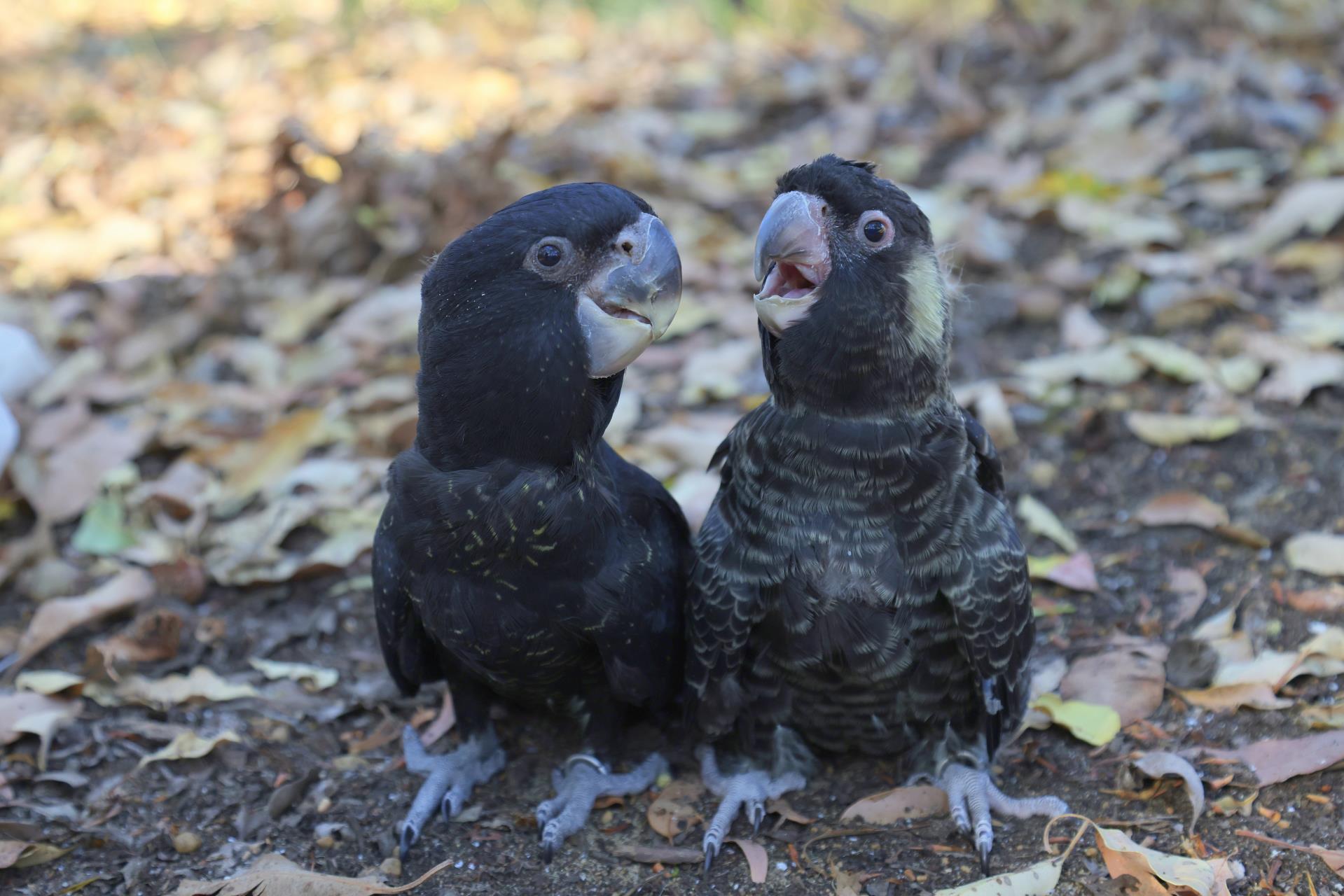
Beyond the original post-fire recovery sites, more than 60 artificial tree hollows have now been installed across the Shire over the past decade, mostly on private land. Together, these nest boxes make a significant contribution to local conservation, with at least half producing cockatoo nestlings each year.
Shire of Mundaring Manager Environment and Sustainability Mike Pengelly said the Shire plays an important role in supporting southwest Western Australia’s three endemic black cockatoo species.
“All three species rely heavily on habitat within the Shire, and two of them breed here regularly,” Mr Pengelly said.
“Each year, a group of dedicated volunteers assists with monitoring nest boxes, most of which are located on private land.”
Nestlings are checked and fitted with uniquely numbered leg bands as part of a long-running research project led by adjunct ornithologist Ron Johnstone, retired curator from the Western Australian Museum.
“This gives community members a rare opportunity to see these iconic birds up close and be part of a positive conservation story,” Mr Pengelly said.
While nest boxes provide critical breeding sites, long-term survival depends on healthy habitat. Part of the Shire’s strategy is to create healthy and sustainable habitats for wildlife, including endangered black cockatoos,
“Planting and protecting native vegetation — particularly mature gum trees and flowering Banksia and Hakea — is essential,” Mr Pengelly said.
“Black cockatoos can’t survive, let alone raise young, without reliable food and water,” he said.
“The Shire’s fire management, both planned and unplanned, also considers impacts on flowering cycles. Without seeds, nestlings starve and adults are forced to travel further to feed.”
Residents can support black cockatoos by protecting native vegetation on their properties, planting local species such as Banksia and Hakea, and reporting sightings through recognised citizen science programs. Those interested in installing or monitoring nest boxes can contact the Shire to learn more. You may like to connect with our Land for Wildlife Officer to discuss the biodiversity values of your property your property if it is 2 ha or larger.
Back to All News