Australasian Swamphen (Mulal)
Porphyrio porphyrio
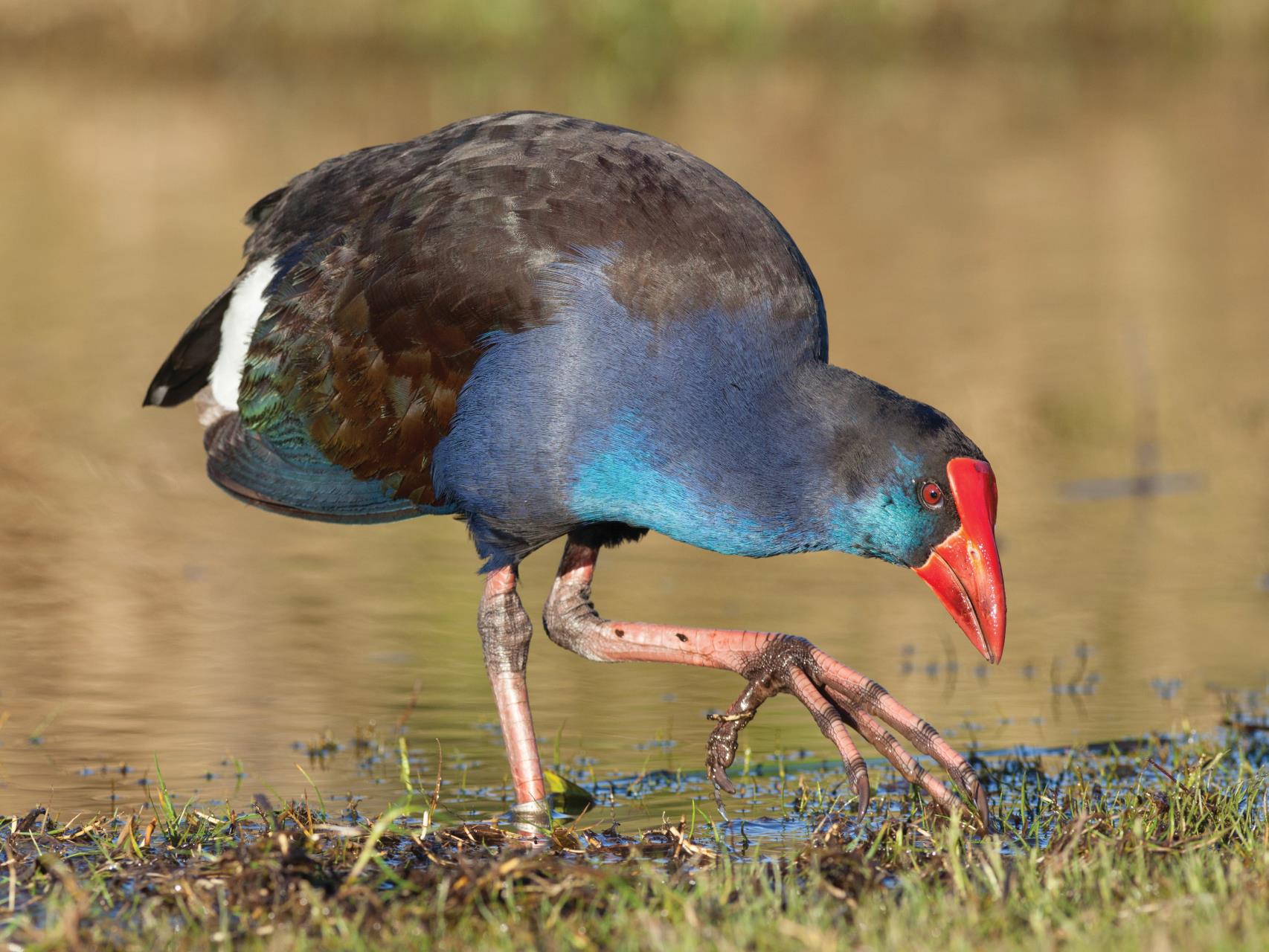
Meet the Mulal—a bold, colourful wetland bird! It lives near swamps, rivers, and marshes. It has dark feathers, a bright red beak, and long red legs. When it walks, it flicks its tail to show a flash of white.
Mulal wander along the water’s edge, using their long toes to walk on soft ground and hold food. They eat plants, frogs, and snails—but they’re also cheeky egg thieves and may even eat ducklings if they can!
Oblong Turtle (Booyi)
Chelodina oblonga
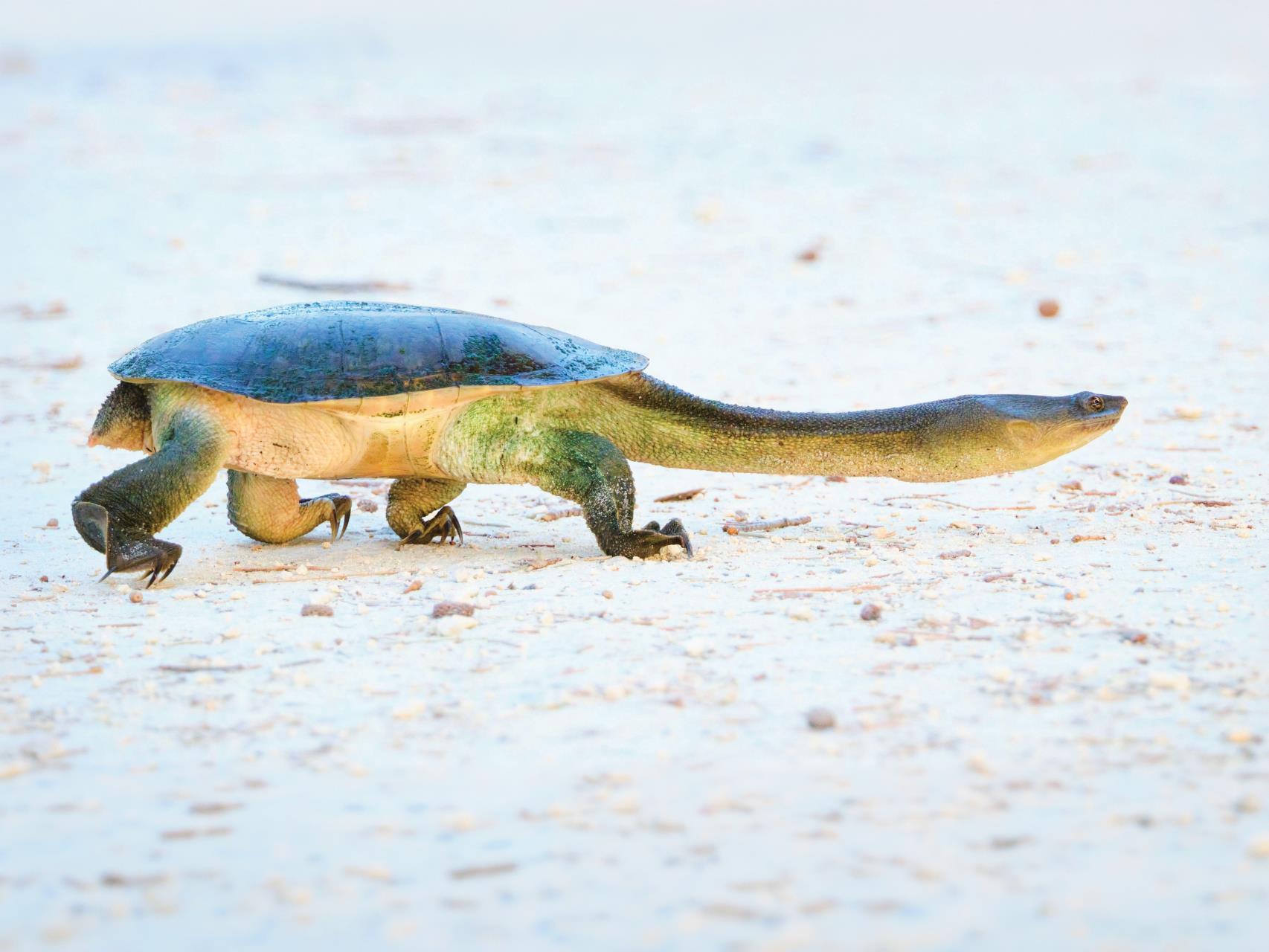
Meet the Booyi—a long-necked freshwater turtle found in wetlands across south‑west Western Australia. It has an oblong (oval) shell and a long neck it can stretch out quickly.
Booyi live in swamps, rivers, and dams. They eat insects, small fish, and crustaceans—and may also take ducklings or carrion. Females leave the water to lay eggs on land, sometimes travelling far to find the perfect spot. In summer, they can bury themselves in mud to survive dry conditions.
Sacred Kingfisher (Kwiwok / Kanyinak)
Todiramphus sanctus
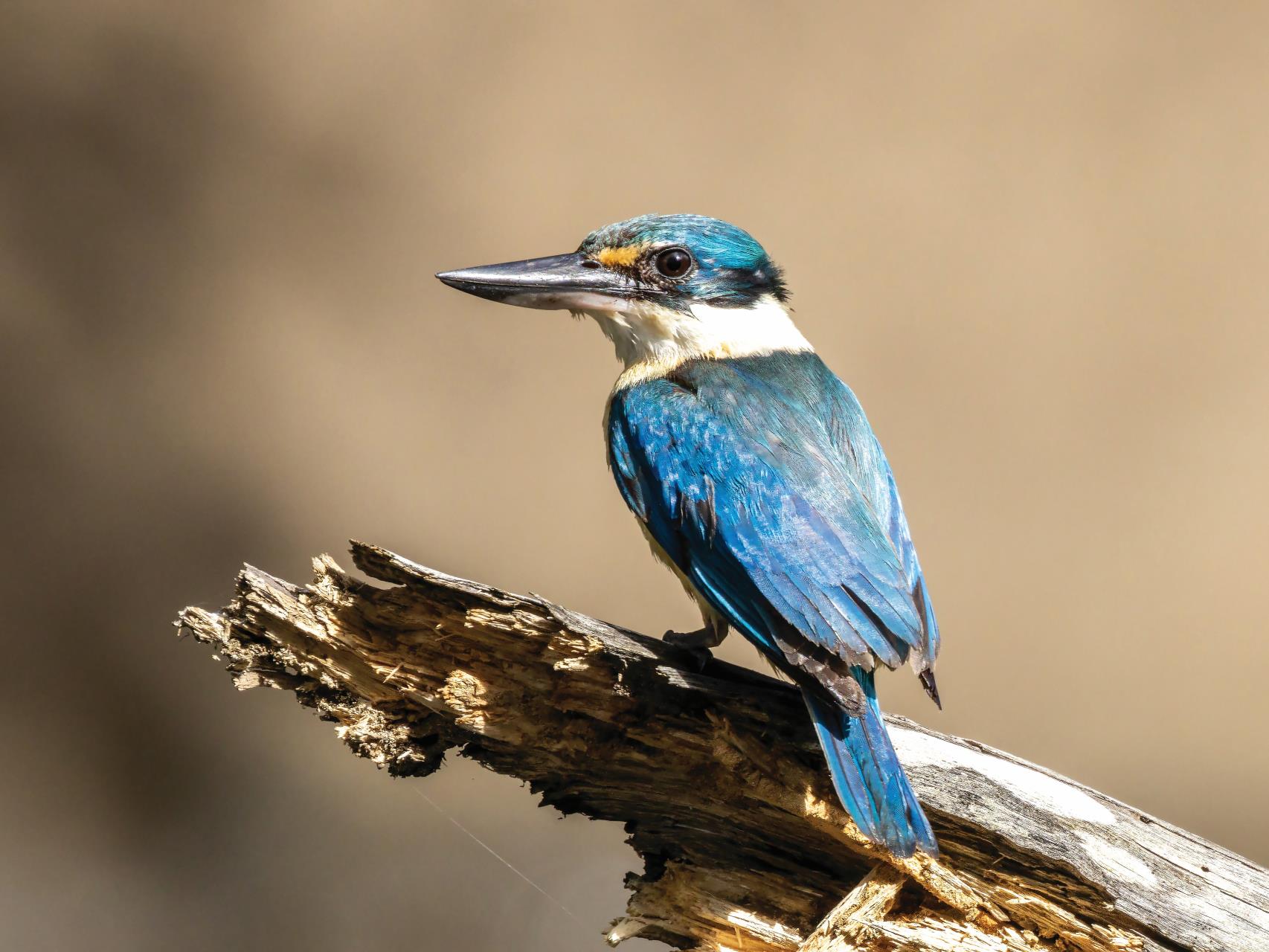
Meet the Kwiwok (also called Kanyinak)—a bright and striking bird often seen perched quietly before a sudden dive. It has a turquoise-blue back and tail, creamy underparts, and a bold black stripe through the eye.
These birds live in woodlands, wetlands, and coastal areas. They hunt mostly on land, swooping down to catch insects, small reptiles, and crustaceans. During breeding season, they nest in tree hollows, riverbanks, or even termite mounds.
Frogs (Kyooya)
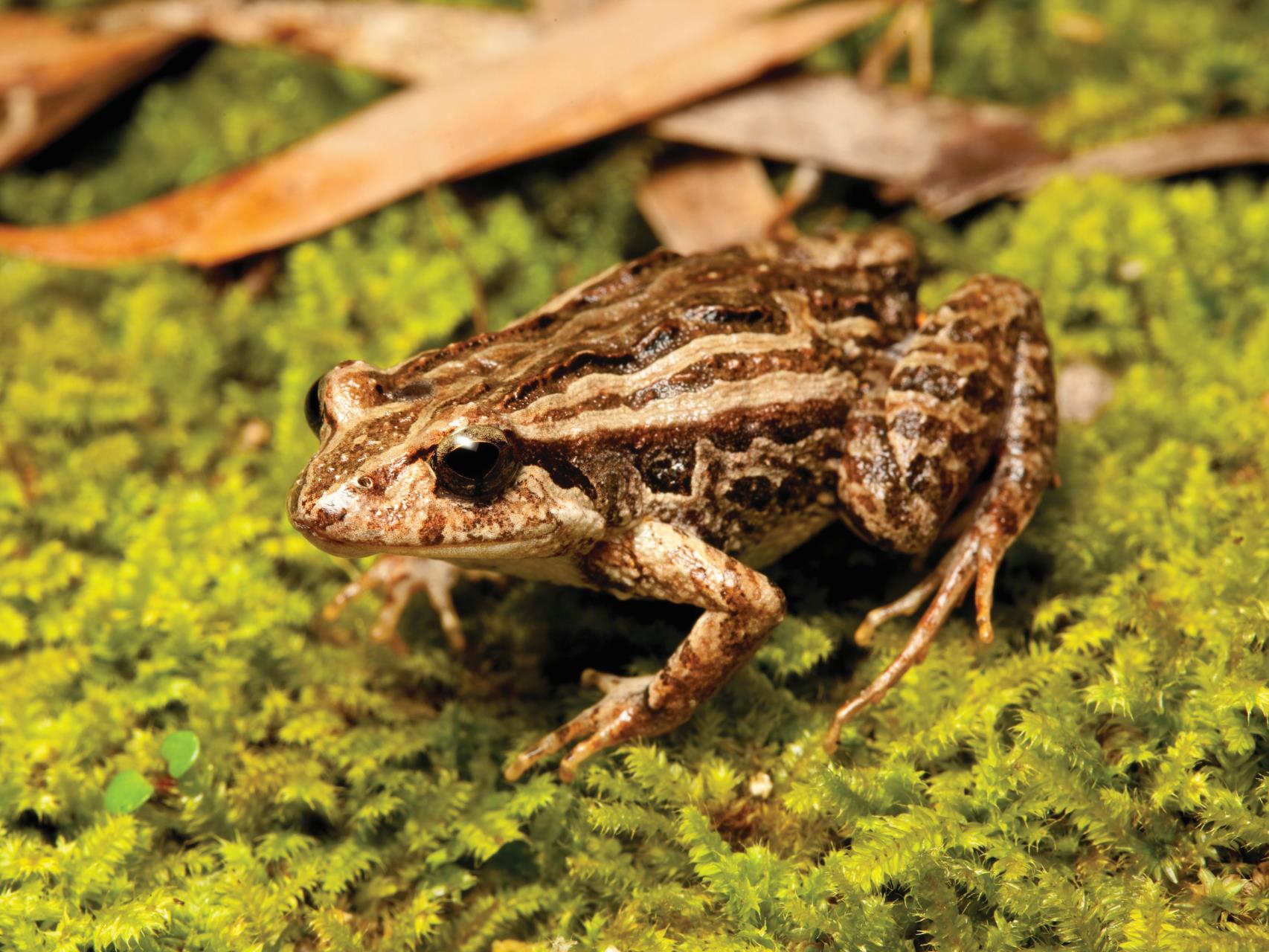
Kyooya is the Noongar word for frogs—it refers to all frog species.
Frogs are Australia’s only amphibians. They start life mainly laid in water as eggs, then hatch into tadpoles with tails and gills. As they grow, they develop legs and lungs and live on land and in water.
Kyooya are important for healthy ecosystems. They eat insects and are food for other animals. Because they are sensitive to change, they help show when the environment is unhealthy. Protecting wetlands helps keep frogs safe.
Slender Tree Frog
Coggerdonia adelaidensis
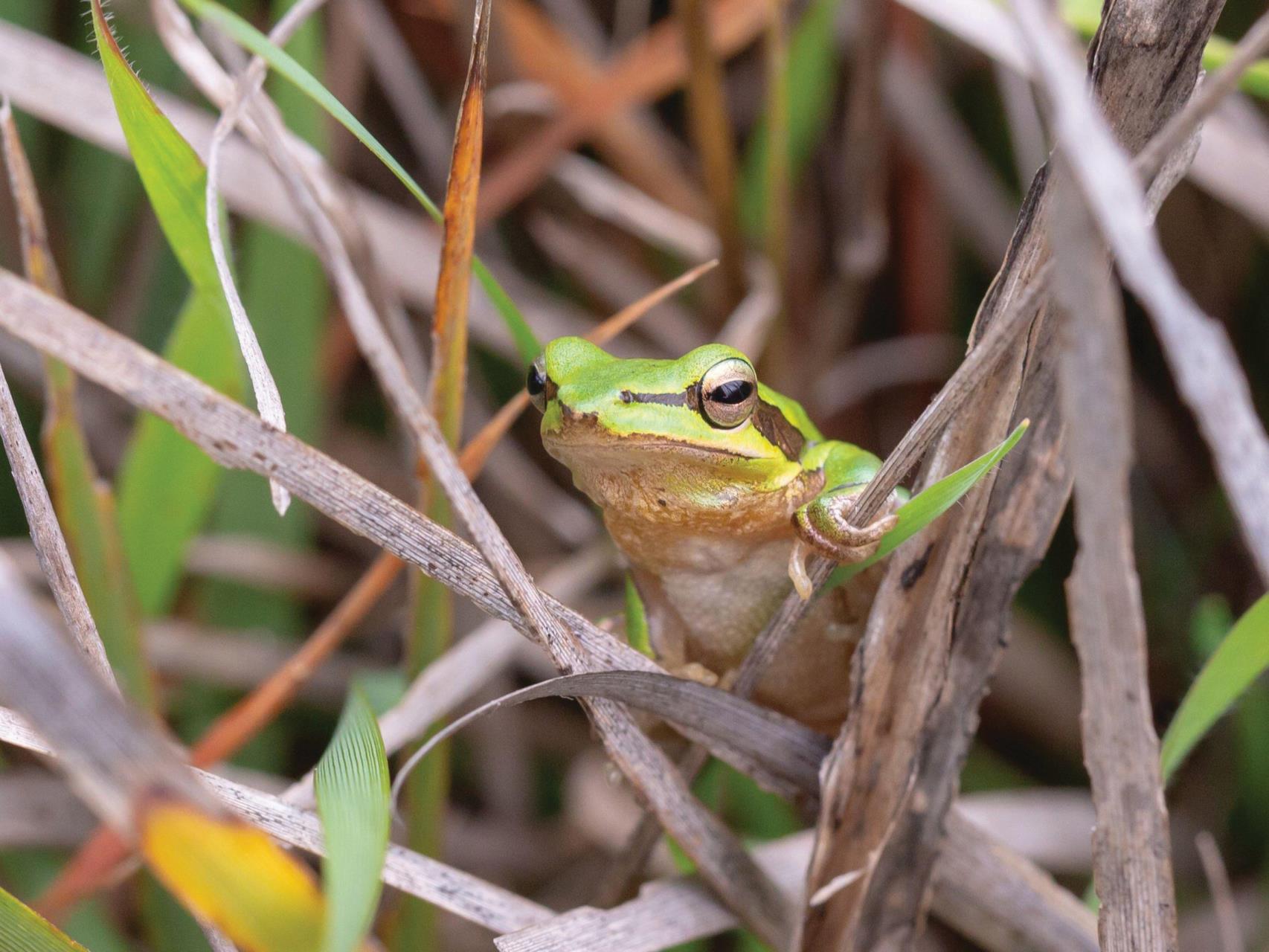
The Slender Tree Frog is a small, distinctive frog found only in south‑west Western Australia. It grows to about 4.5 cm and ranges from pale brown to bright green, with a dark stripe along its sides and bright spots on its back legs.
This species lives in wetlands, streams, and dams, often clinging to reeds. It breeds in winter and early spring, laying eggs on water plants. Males make a loud “grrk” call, especially after rain.
Quacking Frog
Crinia georgiana
The Quacking Frog is a small ground‑dwelling frog found in south‑west Western Australia. It grows to about 4 cm and has a mix of brown, grey, and tan colours, often with striped legs and a distinctive red patch near its back legs.
It lives in moist forests and low‑lying areas. In winter, males gather around shallow pools and call with a sound like a duck quacking. Eggs are laid in small pools, where tadpoles grow quickly before the water dries.
Western Banjo Frog
Limnodynastes dorsalis
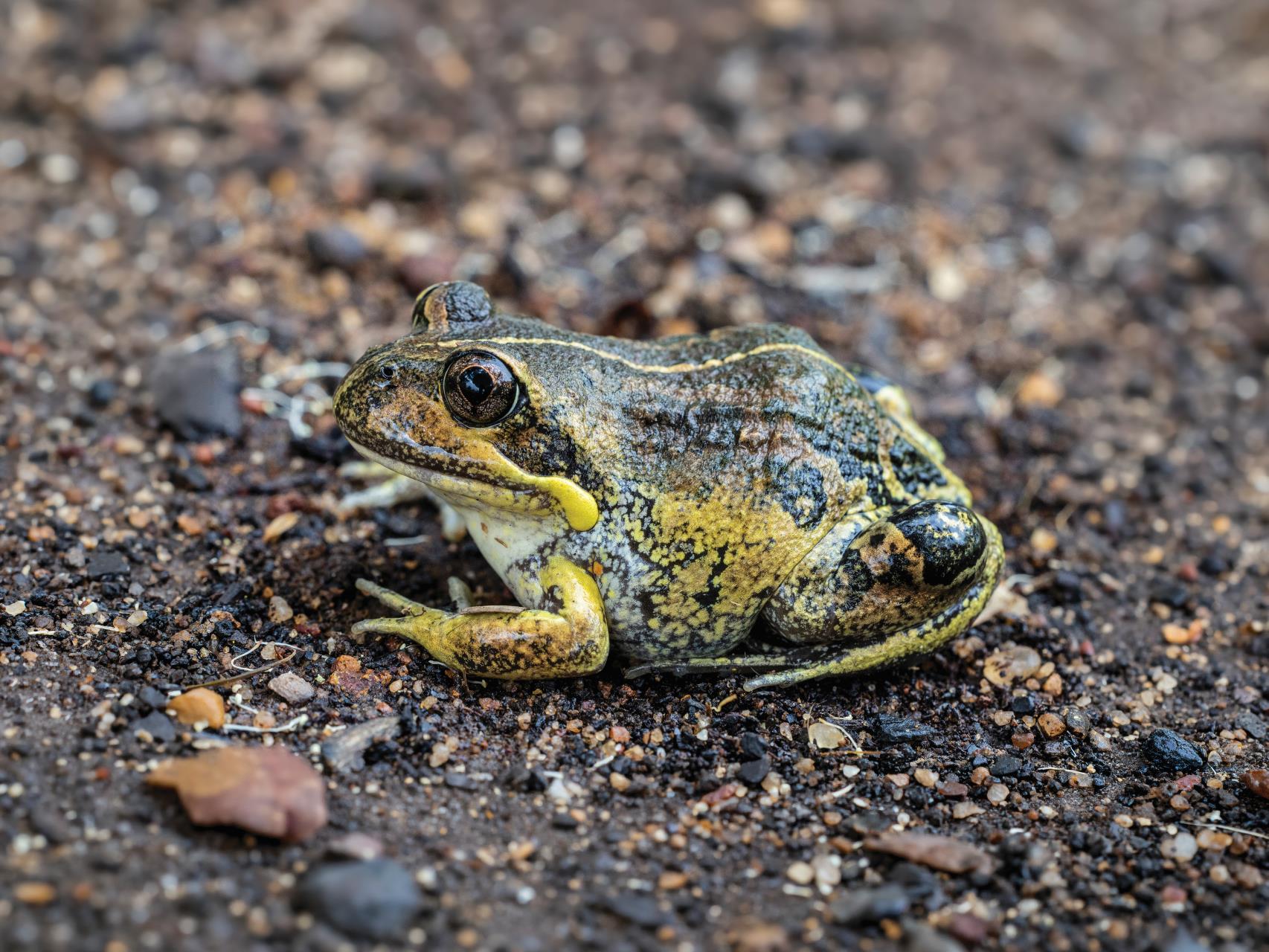
The Western Banjo Frog is a large, sturdy frog found in south‑west Western Australia, growing up to 7.5 cm. It is usually grey or dark green with blotchy patterns and a thin pale stripe down its back, plus bright orange or red patches near its back legs.
It lives in wetlands, dams, and streams, but often burrows into soil away from water. In winter and spring, males call with a loud “bonk” sound and breed in foamy nests on the water’s surface.
Tree Hollows
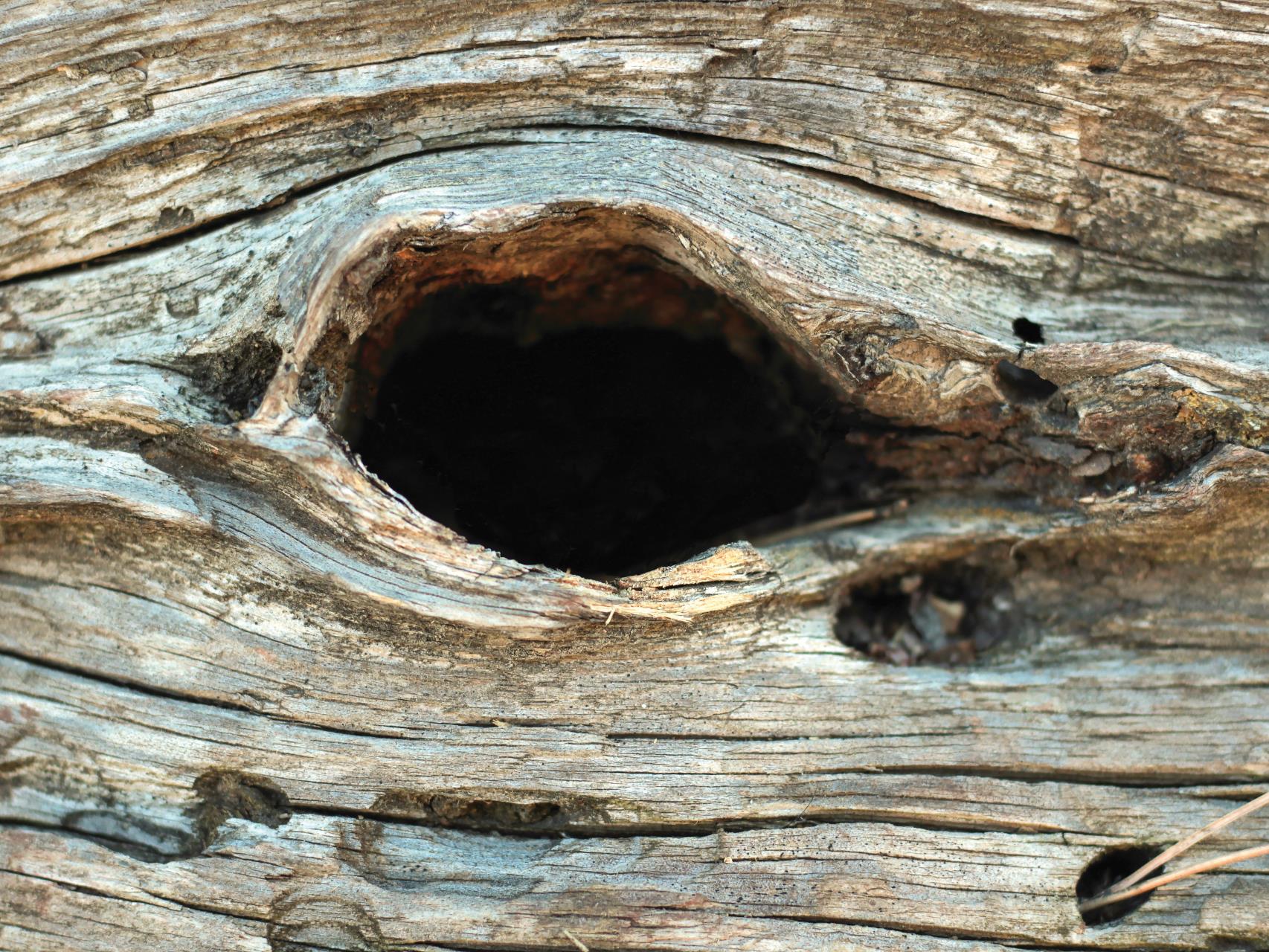
Tree hollows are natural holes that form in old trees over many years. They are created by fire, storms, insects, and decay. In south‑west Western Australia, trees like jarrah, marri, and wandoo can take over 100 years to form hollows.
These hollows are essential homes for wildlife. Birds, bats, possums, reptiles, and insects use them for shelter and raising young.
Take a look up! How many hollows can you spot in this tree?
Protecting old trees helps keep these special homes for wildlife.
Waterways of the Shire of Mundaring
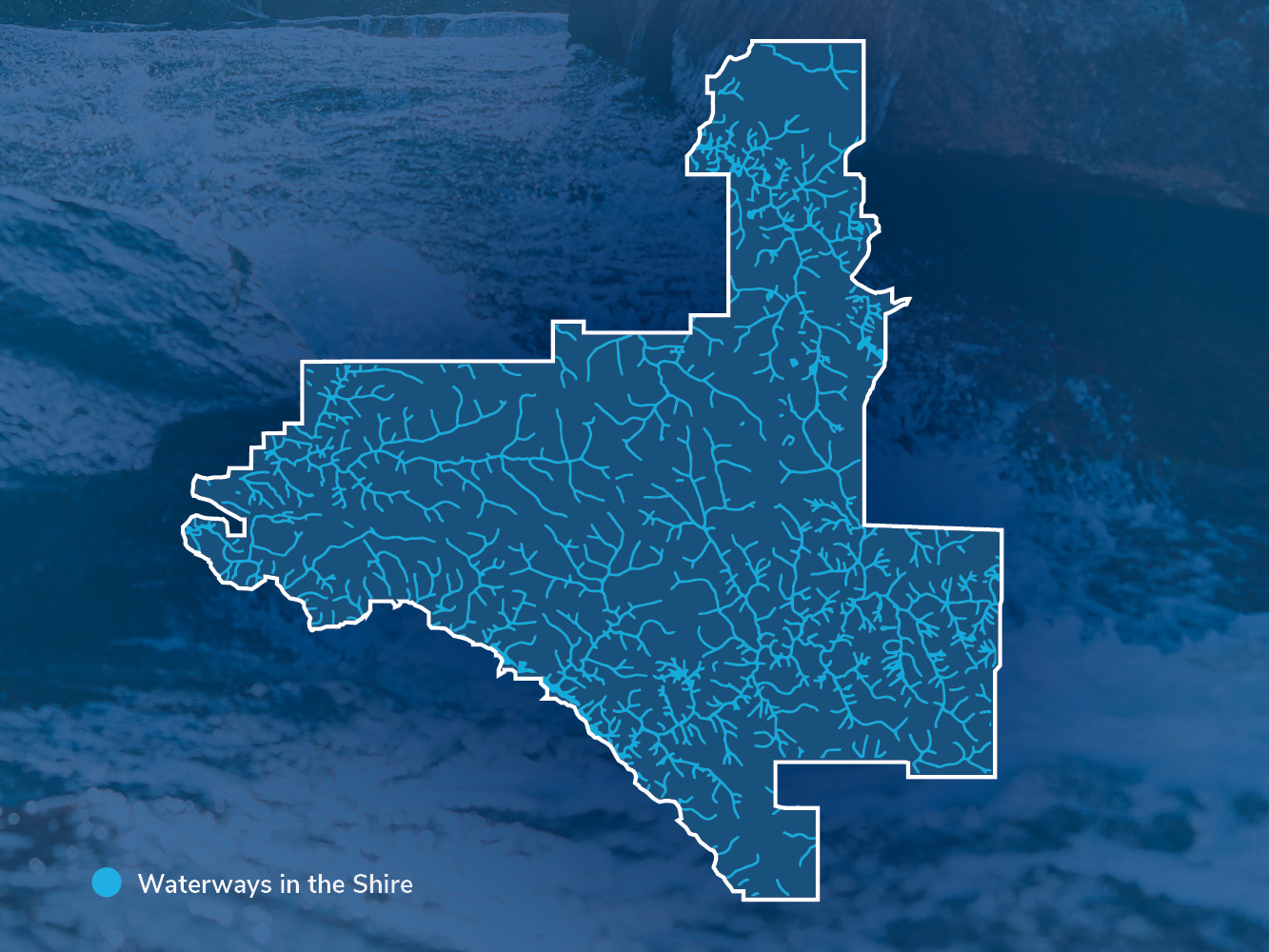
Water is one of our most important natural resources. In the Shire of Mundaring, rainfall flows through forests, soaks into the soil, and feeds streams, rivers, and reservoirs that supply drinking water.
Healthy forests help keep water clean by reducing erosion and filtering pollutants. They also slow the movement of water, allowing it to soak into the ground.
Look around, can you spot where water flows through the Lake Leschenaultia landscape?
Protecting our waterways helps ensure clean, safe water for people, wildlife, and future generations.
Great Cormorant (Kart-kart)
Phalacrocorax carbo
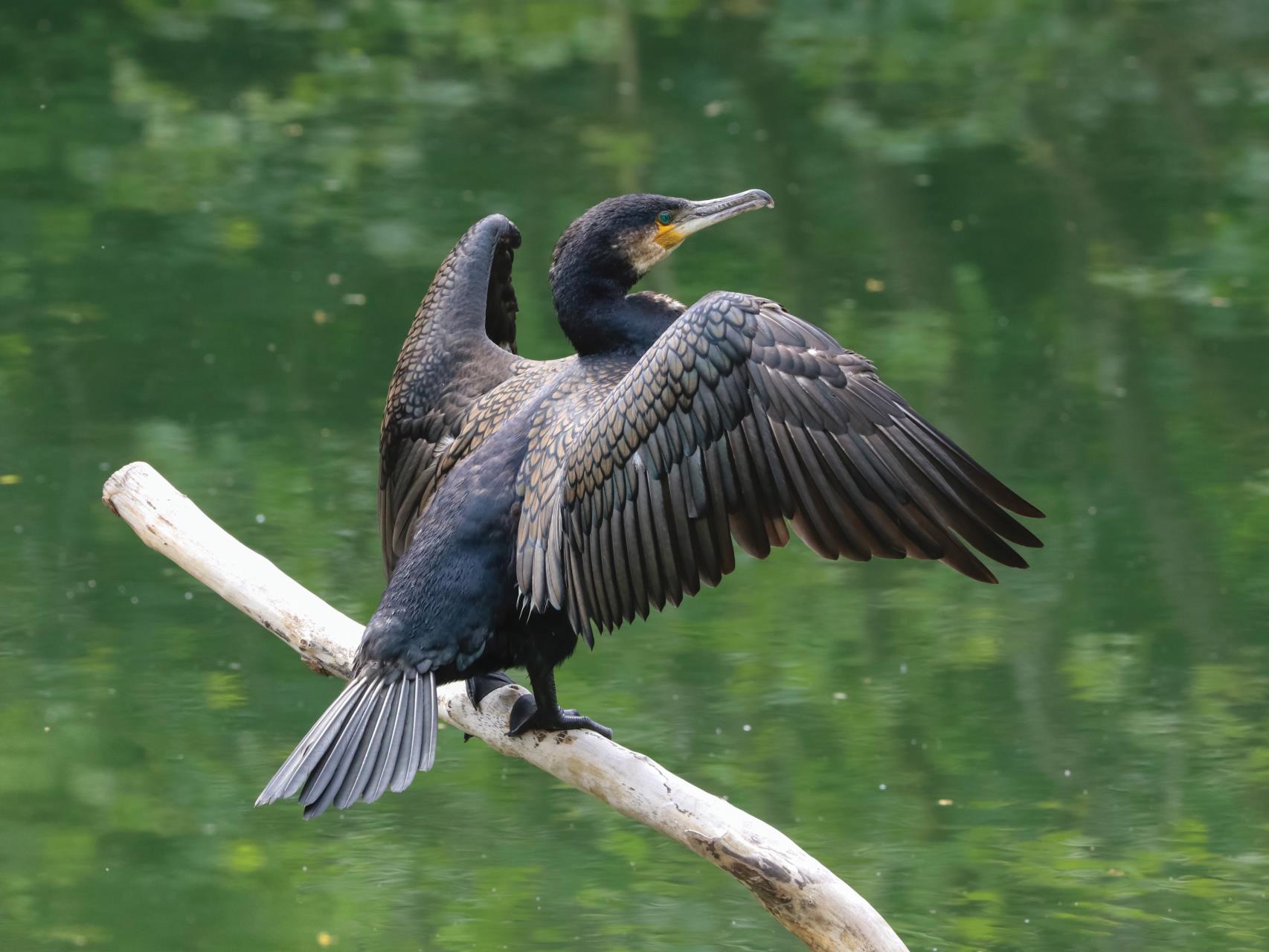
The Kart-kart is the largest cormorant found in Australia. It is mostly black, with a pale patch on its face and a strong hooked bill. You will often see it
near rivers, wetlands, estuaries, and dams.
Kart-kart are excellent divers. They can swim underwater for up to a minute while chasing fish. Their powerful feet help them steer and move
quickly beneath the water.
Look along Lake Leschenaultia's water edge. Can you spot one perched with its wings spread out to dry?
Australian Wood Duck (Marangana)
Chenonetta jubata
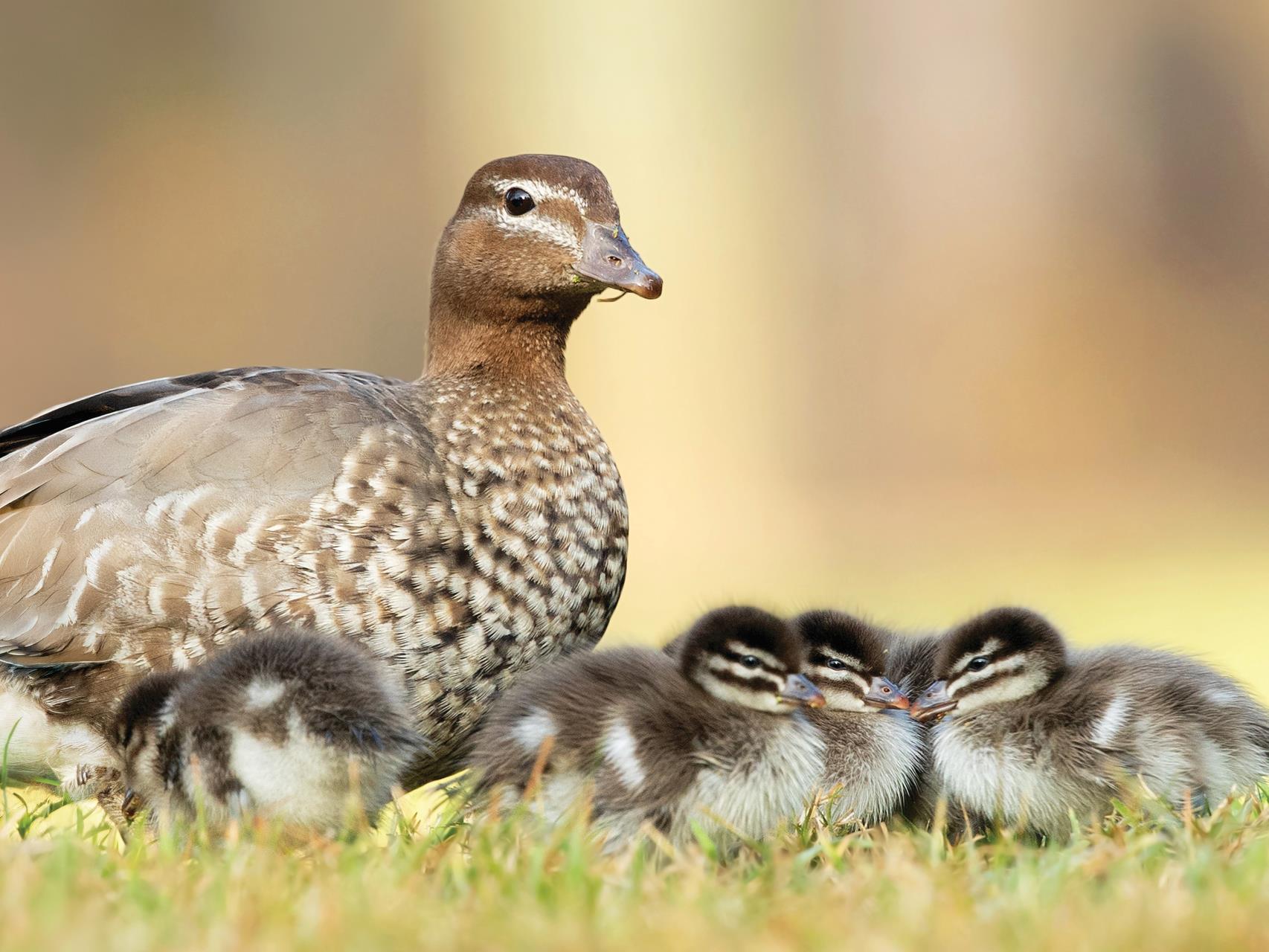
The Australian Wood Duck, known as Marangana (also called Yerdarap or Ngaarmoot in different Noongar dialects), is a friendly, “goose‑like” duck often seen grazing on grass near water. It has a dark brown head and grey body, with bold markings that make it easy to spot.
Unlike many ducks, it prefers land and eats grass and plants. It nests in tree hollows, and ducklings bravely jump down soon after hatching. Parents stay close and are very protective—so it’s best to enjoy them from a distance.
Dugite (Dobitj / Dobiti)
Pseudonaja affinis
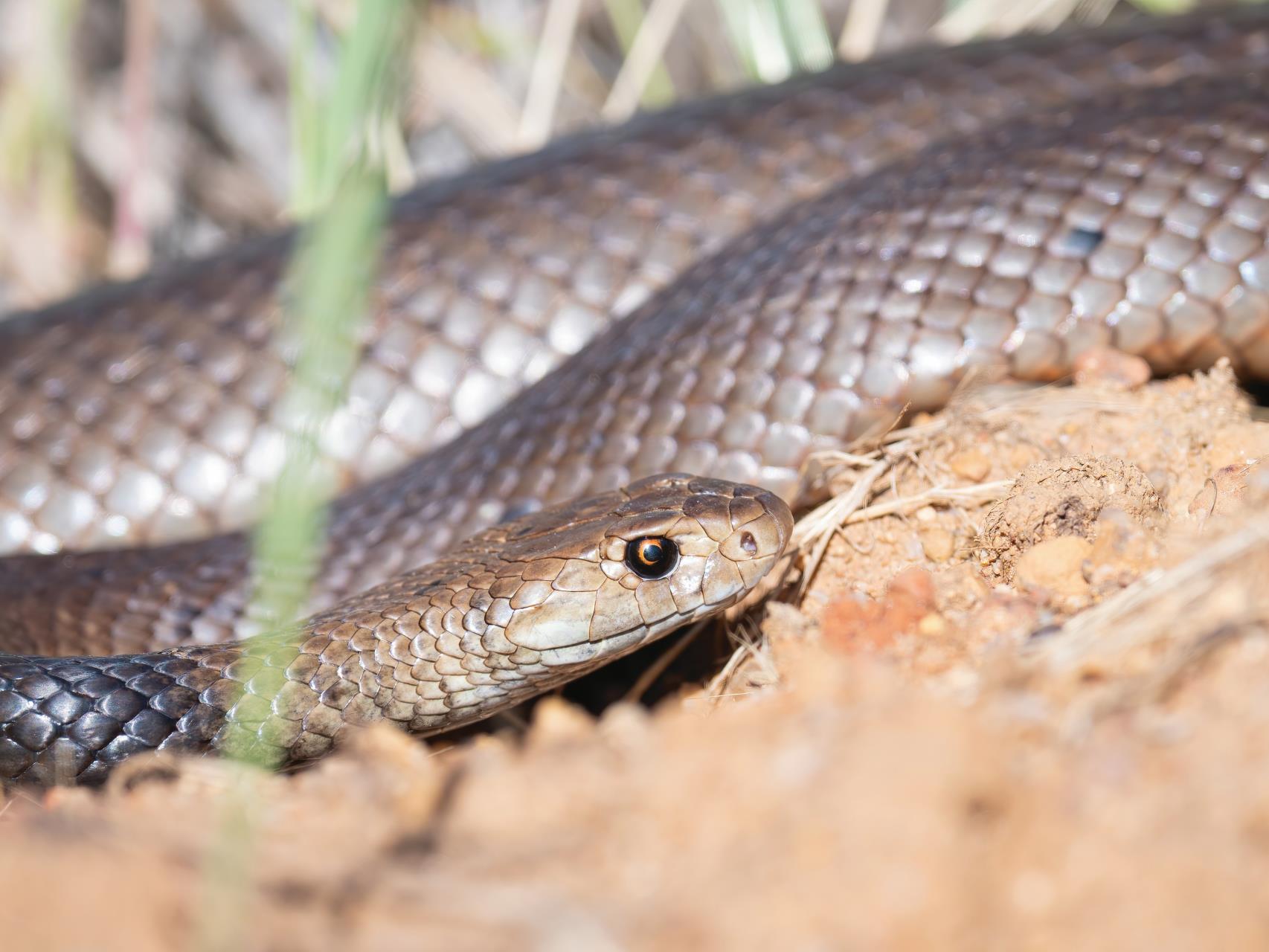
The Dugite, known as Dobitj (or Dobiti) in Noongar, is a long, slender snake found across south‑west Western Australia. It is usually brown or olive-grey and can grow up to 2 metres long.
Dugites live in many places, including bushland, coastal areas, and even around homes. They hunt during the day, eating lizards, frogs, birds, and small mammals like mice.
Dugites are shy and prefer to avoid people, but they will defend themselves if threatened. If you see one, stay calm, keep your distance, and let it move away.